
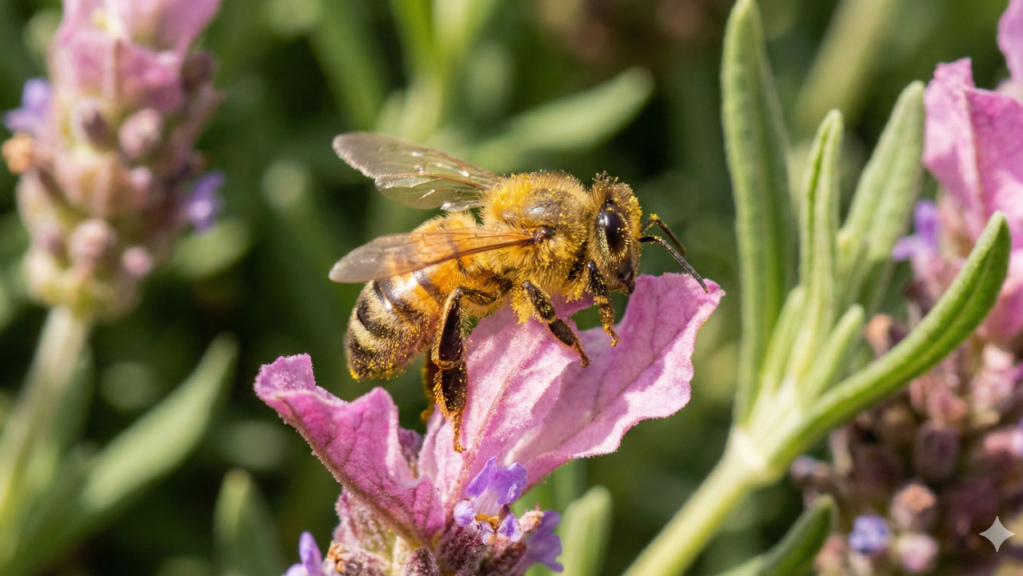
Some flowers feel quieter these days, as if they’re waiting for someone who hasn’t arrived. The timing between blooms and pollinators once effortless is slowly slipping out of sync. As the climate shifts faster than nature’s rhythms can adjust, the small species that keep our food system alive are struggling to keep pace.
Why Pollination Matters More Than We Realize
Pollination is one of nature’s simplest exchanges. A tiny transfer decides whether a flower becomes a fruit, whether a seed gets formed, whether a crop yields at all. When insects or birds collect nectar, they do more than feed themselves they complete the cycle plants depend on.
Native pollinators are especially important. Bees, butterflies, beetles, small birds each evolved alongside local plants, understanding their seasons, scents, and rhythms. They pollinate more efficiently because they know the ecosystem the way we know familiar roads: instinctively, effortlessly.
But climate change is unsettling that relationship.
How Climate Change Is Breaking the Timing
Plants and pollinators follow the same calendar until warming begins changing the clock.
Warmer winters wake plants early. Sudden temperature spikes confuse insects. Flowers bloom before pollinators are active, or pollinators emerge before flowers open. This mismatch reduces fruit set and seed production, and it affects crops that depend on natural pollination: mustard, sunflower, vegetables, orchard fruits, and many staples for smallholder farmers.
Extreme weather adds another layer. Heavy rainfall washes away nectar. Heatwaves dehydrate flowers and exhaust insects. Sudden storms damage nests and reduce forage plants. Smaller species, like solitary bees, are especially vulnerable because a single heatwave can interrupt their short life cycles.
Climate Trends (2023–2025) Behind the Shift
NASA confirmed that 2023 was the hottest year ever recorded, with global temperatures rising roughly 1.3°C above long-term norms. Earlier springs and warmer nights are now common across many regions.
NOAA observations from 2023–2024 show a sharp rise in extreme rainfall and prolonged heatwaves. These sudden climate shocks affect pollinators faster than larger animals because insects respond directly to temperature, humidity, and rainfall patterns.
In South Asia, the IPCC’s 2024 assessments highlight irregular monsoons, 45–55°C heatwaves, and longer dry spells. These shifts reduce nectar availability, shorten blooming periods, and disrupt nesting cycles.
Reports from regions in Maharashtra and Karnataka show declining sightings of native bees as rising heat and pesticide-heavy landscapes push them into stress. When these pollinators decline, yields drop especially for farmers who rely on natural pollination rather than managed honeybee hives.
Key Ideas to Carry Forward
- Protecting native pollinators strengthens food security.
- Climate change is disturbing the timing between blooms and pollinators.
- Extreme events from 2023–2025 are accelerating pollinator decline.
- Native flowering plants support pollinators better than exotic species.
- Reducing pesticides and creating simple habitats can boost survival.
A Thought That Grounds This Conversation
Rachel Carson once wrote, “In nature, nothing exists alone.”
Pollination is a reminder of that truth a quiet exchange that connects insects, plants, farmers, and climate resilience in one continuous loop.
A Quiet Reflection
The future of pollination will depend on how gently we care for the small species that keep our fields and gardens alive. In a warming climate, making space for them through flowers, shelter, and fewer chemicals becomes an act of protecting our own food systems.
