
After the Field Goes Quiet
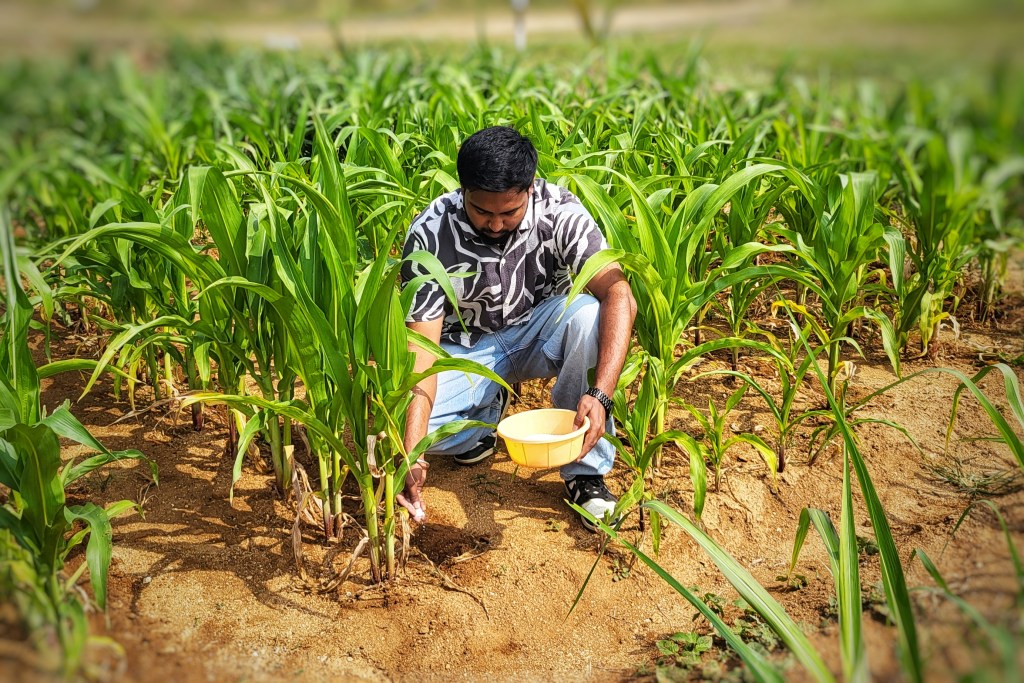
Once the fall armyworm was controlled, the crop resumed growth. New leaves emerged, and the field slowly regained a sense of stability. On the surface, the crisis appeared to be over.
But the experience did not end with the pest.
Even as the crop moved forward, the events of those days stayed present. The damage was visible, and so was the speed at which decisions had been made.
When Decisions Are No Longer Choices
During the infestation, there was no space for comparison or reflection. The response was driven by urgency, not preference. The aim was simple stop further loss.
Looking back, it became clear that the decision taken was not really a choice. It was the only option that fit the time available, the scale of damage, and the need to act immediately.
Pressure had narrowed the field of options.
Why Urgency Changes Everything
Under normal conditions, farming allows time. Time to observe, time to think, time to adjust. But when damage spreads faster than the crop can recover, time disappears.
In those moments, decision-making shifts. The question is no longer what is ideal, but what will work right now. The field demands speed, and speed leaves little room for reflection.
This is where many farming ideals struggle to survive.
What Was Missing Before the Crisis
The fall armyworm episode raised a quieter question: why did the situation reach a point where only urgent control remained?
Nothing was technically “wrong” in the earlier stages. The crop was managed as planned. Yet when pressure arrived, there was no buffer no margin to absorb the shock.
The system held during calm phases, but it was not built to slow damage once pressure entered.
A Shift in How I Read the Field
Until this point, I had viewed crop management as a sequence of operations. Sowing, nutrients, irrigation, protection each action followed the other.
After this phase, that view began to change.
The crop was no longer just responding to what was done to it. It was revealing how much preparation existed before the crisis and how little space there was once the crisis arrived.
What Pressure Left Unanswered
The pest was controlled, but the question remained.
Not about fall armyworm.
Not about the chemical used.
But about what kind of system leaves no room to think when pressure arrives.
That question does not demand an immediate answer.
It demands a different way of looking at sustainability one that begins before the field is tested.
