
The farm looks peaceful at sunrise, but beneath the leaves, a silent war rages. Some wear red spots. Ladybirds and wasps are out there, hunting pests with an efficiency no chemical can match.
Why Not All Insects Are the Enemy
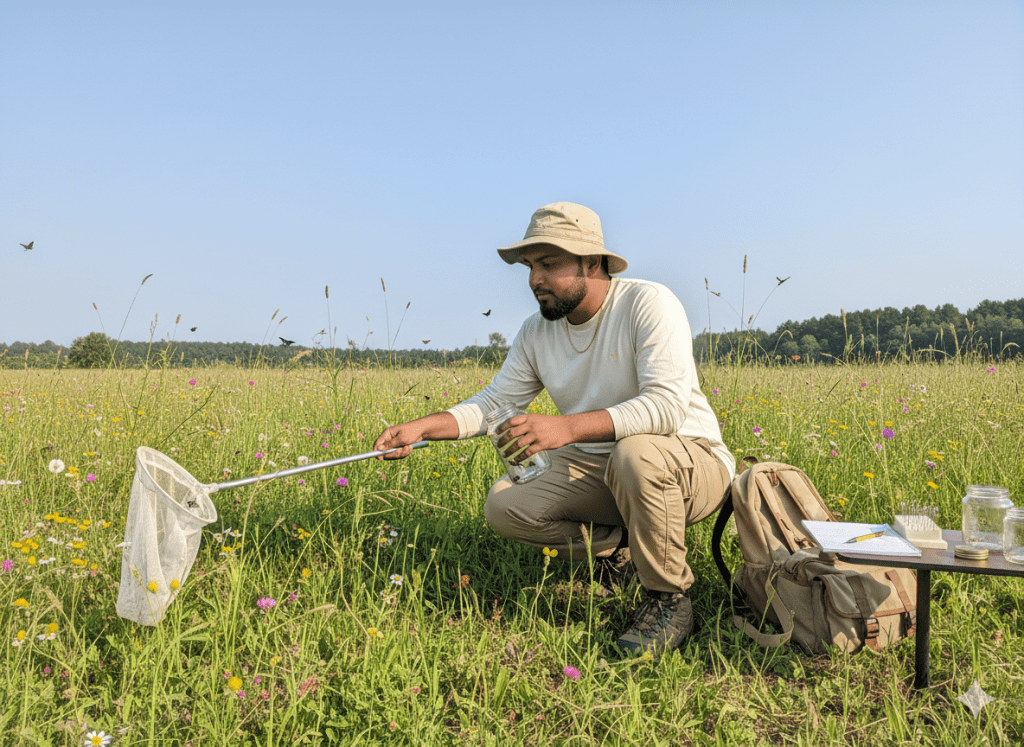
One random day in our Entomology practical class, we went for insect collection in the college fields near a rice plot. The lecturer came along, but it was the lab assistant who caught my attention she seemed to know every corner of the field, probably because she spent more time with the labourers than in classrooms. As we moved around collecting insects, my climate-conscious brain couldn’t stay quiet. So I asked her, Ma’am, the whole class is collecting so many insects. Isn’t this affecting biodiversity or causing a loss?” She smiled and said, “We’re not collecting predators we’re collecting the pests.” That reply made me pause. Until then, I hadn’t thought much about how many insects we call “pests,” while their predators are actually the ones protecting our crops. In fact, these predators are nature’s own biological pest control.
Ladybirds: Red-Spotted Warriors
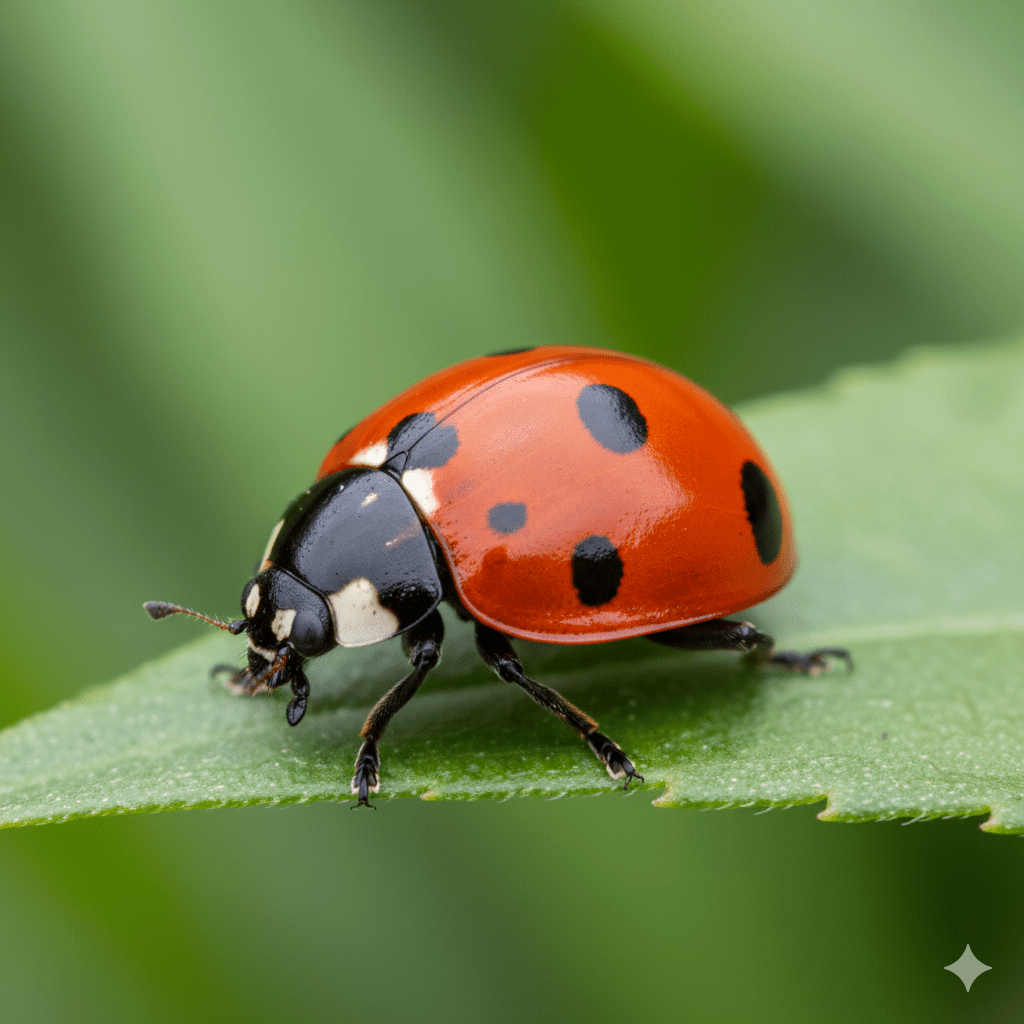
Ladybird beetles (Coccinellidae) may look cute with their red shells and black spots, but they’re fierce predators of aphids (tiny sap-sucking insects that weaken crops). Entomologists call them coccinellid predators, but farmers just see them as pest-eaters. A single ladybird can consume 40–50 aphids per day, reducing infestations without a drop of pesticide. Because they’re host-specific (targeting certain pests but not harming crops), ladybirds are like eco-friendly pest patrols that keep fields in balance.
Trichogramma Wasps: Nature’s Undercover Agents

Trichogramma wasps (Hymenoptera: Trichogrammatidae) are among the most widely used biocontrol agents (beneficial insects released to control crop pests). They are incredibly small about 0.5 mm, even tinier than a grain of rice. What makes them special is that they parasitize pest eggs (use their needle-like ovipositor to insert their own egg inside the pest’s egg). When the wasp larva hatches, it eats the developing pest embryo from the inside, stopping harmful insects like stem borers or leaf rollers before they are even born. Farmers often use Trichogramma egg cards (sheets filled with parasitized pest eggs) and release them in fields like sending out tiny undercover soldiers to protect crops.
In Uttar Pradesh, sugarcane farmers are cutting costs with Trichogramma cards. Instead of spending about ₹4,000 per hectare on pesticides, these cards slash expenses by nearly ten times. Produced by women’s self-help groups and backed by state research centers, they’ve proven highly effective against shoot borer, stem borer, and top borer saving farmers money while keeping fields healthier.
Predators vs. Pesticides
Chemical pesticides are broad-spectrum (they kill pests but also beneficial insects and pollinators). Biological control agents, on the other hand, are eco-selective (they target only harmful species). This not only protects crop yields but also safeguards soil microbes, pollinators, and water bodies from chemical runoff. In simple words: pesticides act like bombs fast but destructive while predators act like snipers precise, sustainable, and safe for the ecosystem.
Climate Change: How Heat Supercharges Insects
Climate change is supercharging pests. Warmer weather means faster breeding some insects now squeeze in extra generations each season, hitting crops harder than before. NASA notes that rising heat and drought are already fueling more frequent outbreaks, while the FAO warns pests are invading new regions where they couldn’t survive earlier.
Predators: The Natural Shield Against Rising Pests
Here’s the flip side: natural predators adapt in place. Ladybirds and Trichogramma wasps don’t need factories, fuel, or shipping they just keep working. The IPCC’s 2023 report highlights biodiversity-based pest control as a key climate adaptation tool, helping farmers cut chemical use while staying resilient against rising pest pressures.
Quick Takeaways
- Ladybird beetles act like natural pest patrols, devouring aphids and other crop-damaging insects.
- Trichogramma wasps are tiny but powerful, parasitizing pest eggs before they hatch.
- Biological control is selective, safe, and sustainable, unlike broad-spectrum pesticides.
- Climate change is fueling pest outbreaks making natural predators even more valuable.
- Supporting biological pest control means healthier crops, soils, and food for all of us.
Rachel Carson’s Timeless Warning
As Rachel Carson once said, “In nature nothing exists alone.” Natural predators like ladybirds and wasps remind us of that truth every day in the fields.
A Thought to Leave You With
If we support these tiny allies, we’re not just saving crops we’re building climate-resilient farming for the future.
