
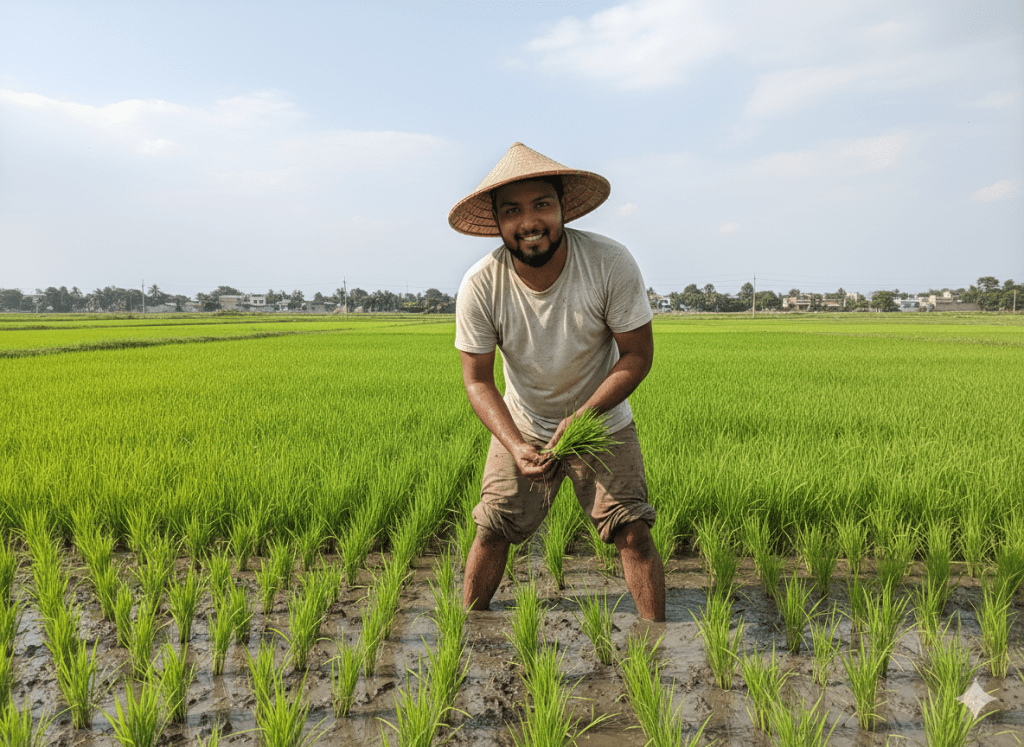
Ever noticed how a cup of tea tastes different when you squeeze in too much lemon? That sharp sourness isn’t just in your mug it’s quietly creeping into our soils too. And the culprit? Climate change.
Why Soil Turns Acidic
When we talk about climate change, we usually picture melting ice caps or rising seas. But beneath our fields, another story is unfolding. Soil acidification is the process where soils gradually become more acidic, lowering their pH.
The Climate Chemistry Behind Sour Soils
- More Rainfall, More Leaching: Heavy rains now more frequent under a warming planet wash away essential base cations like calcium and magnesium. What’s left behind? Acids that lower soil pH.
- Nitrogen Fallout: Burning fossil fuels releases nitrogen oxides. These mix with water to form nitric acid, which rains down on farmlands as acid rain. The same nitrogen that boosts short-term crop growth ends up souring soils in the long run.
- Rising CO₂ in Soils: Higher CO₂ levels speed up organic matter breakdown. That releases more carbonic acid into the soil, further dropping the pH.
The Food Consequences of Acidic Soils
Plants are picky eaters. Most thrive when soil pH sits between 6 and 7. When it dips below that:
- Nutrient lock: Phosphorus, calcium, and molybdenum get trapped, unavailable to roots.
- Toxic metals released: Aluminum and manganese dissolve, damaging root systems.
- Microbial life suffers: Friendly microbes that fix nitrogen or decompose organic matter decline, weakening the soil’s natural fertility.
How Our Food Will Change
If soils keep souring, the impact won’t just stay underground it will land on our plates.
- Grains with less punch: Rice and wheat grown in acidic soils often carry less iron and zinc. That means the staple foods billions rely on could become less nourishing.
- Vegetables losing flavor and nutrients: Tomatoes, beans, and leafy greens grown in acidic conditions can be smaller, less colorful, and lower in proteins and vitamins. The crunch may stay, but the nutrition quietly fades.
- Milk and meat affected too: When forage grasses grow in acidic soils, livestock get fewer nutrients, which can ripple into the quality of milk and meat.
- Shifts in crop geography: Farmers may abandon sensitive crops like pulses or fruits in acidic zones, pushing diets toward fewer, more acid-tolerant staples like maize.
- A hidden hunger: Even if plates look full, the food may not deliver the same nourishment what scientists call “hidden hunger,” a rise in nutrient deficiencies without visible starvation.
In short, the taste, nutrition, and even diversity of our food basket are at risk of souring along with the soil.
The Cure for Sour Soils
Thankfully, soil is not a lost cause. Farmers and scientists are already experimenting with ways to buffer against acidification.
- Liming the soil: Adding lime (calcium carbonate) neutralizes acidity and replenishes lost nutrients.
- Biochar boost: This carbon-rich material made from crop residues not only raises soil pH but also locks carbon underground, turning waste into resilience.
- Organic amendments: Compost, manure, and green manures add both nutrients and buffering capacity, while feeding soil microbes.
- Crop rotation and diversity: Rotating legumes with cereals helps stabilize soil pH and reduces dependence on acidifying fertilizers.
- Climate-smart farming: Practices like reduced chemical fertilizer use, cover crops, and agroforestry help soils resist acidification while cutting emissions.
Instead of letting soils sour silently, these methods give us a toolkit to protect both yields and nutrition.
Quick Takeaways
- Soil acidification is climate-linked driven by rainfall shifts, acid rain, and rising CO₂.
- Acidic soils block key nutrients while unleashing toxic metals harmful to crops.
- Food will change: less nutritious grains, weaker vegetables, poorer livestock feed, and hidden hunger risks.
- Solutions exist: liming, biochar, organic inputs, crop rotation, and climate-smart farming all help restore balance.
Final Thoughts
We often say climate change is changing the air and oceans but it’s also rewriting the very ground we grow food on. If soil keeps going sour, our plates will too. Yet, every lime spread, every compost heap, every crop rotation is a quiet act of resistance. Maybe the next time we taste something sharp, we’ll ask: is this the flavor of farming or can we choose a sweeter future?
