
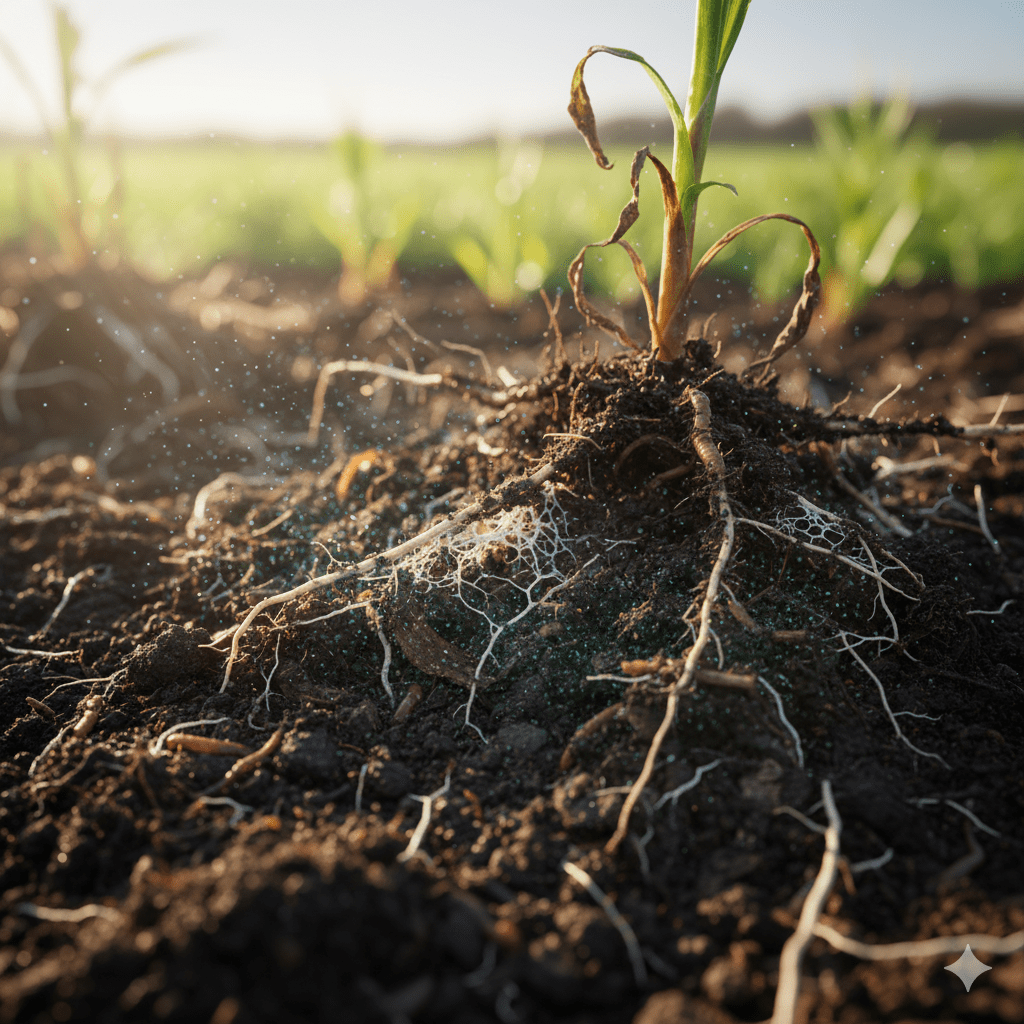
Yesterday I was still thinking about how cow burps and farts warm our planet. Then this morning, scrolling through a Bill Gates blog, something clicked: why do we talk so much about coal and cows but not about the soil beneath our feet? As an agriculture student, I spend a lot of time thinking about soil, and here’s a truth we can’t ignore the fertilizers we use decide not just crop yields, but how much CO₂ our soils breathe out.
Synthetic vs. Organic: Fertilizers in a Nutshell
Synthetic fertilizers are factory-made nutrient cocktails nitrogen, phosphorus, potassium that give plants a quick growth boost. They’re powerful but energy-intensive to produce, and they often disrupt natural soil chemistry.
Organic fertilizers come from compost, manure, or crop residues. They feed plants slowly, but in doing so they also build soil structure, feed microbes, and keep the underground ecosystem alive. Think of it like the difference between fast food and a balanced home-cooked meal.
How Fertilizers Shape Soil Carbon and CO₂
Soil is alive, and microbes are its beating heart. What we feed them determines how much carbon stays underground versus how much escapes as CO₂.
- Synthetic Fertilizers: By dumping nitrogen in ready-made form, they turbocharge microbes to burn through organic matter faster. This “overdrive mode” releases more CO₂ and disrupts the carbon–nitrogen balance, leaving soils poorer over time.
- Organic Fertilizers: Their nutrients come slow and steady, which keeps microbial activity balanced. Instead of depleting soil carbon, they help lock it in, turning soils into carbon sinks instead of carbon sources.
It’s like the choice between burning through savings recklessly versus investing for the long run.
The Bigger Picture: Soil, Climate, and Farming
Synthetic-heavy soils don’t just release more CO₂ they also lose fertility, water-holding power, and resilience against droughts. That’s bad news in a country like India, where 30% of soils are already degraded. In Punjab, heavy nitrogen fertilizer use has boosted yields for decades but left soils acidic and less fertile, forcing farmers into a cycle of more inputs, less resilience and farmers are struggling with erratic rainfall and falling yields.
Organic matter, on the other hand, acts like a sponge. It holds water, improves structure, and keeps nutrients cycling. It’s no wonder researchers warn that if acidification and synthetic dependence continue, India could lose billions of tonnes of soil carbon in the next 30 years. That’s both a climate setback and a food security crisis.
Towards Sustainable Fertilizer Choices
The shift isn’t impossible it just needs intent. Farmers, policymakers, and scientists can work together to:
- Expand access to composting and manure-based fertilizers.
- Train farmers in carbon-smart practices like crop rotations, biofertilizers, and green manures.
- Provide incentives that make organic options cost-effective.
Just as Tata pushed industries toward renewables, farming needs similar investments in solar-powered irrigation, carbon-smart inputs, and farmer training. Growth without resilient food systems will collapse.
Conclusion
Fertilizer choices aren’t just about yields they decide whether our soils breathe out carbon or lock it away. Tata’s call for responsible growth applies here too: can India afford food security without soil sustainability?
