
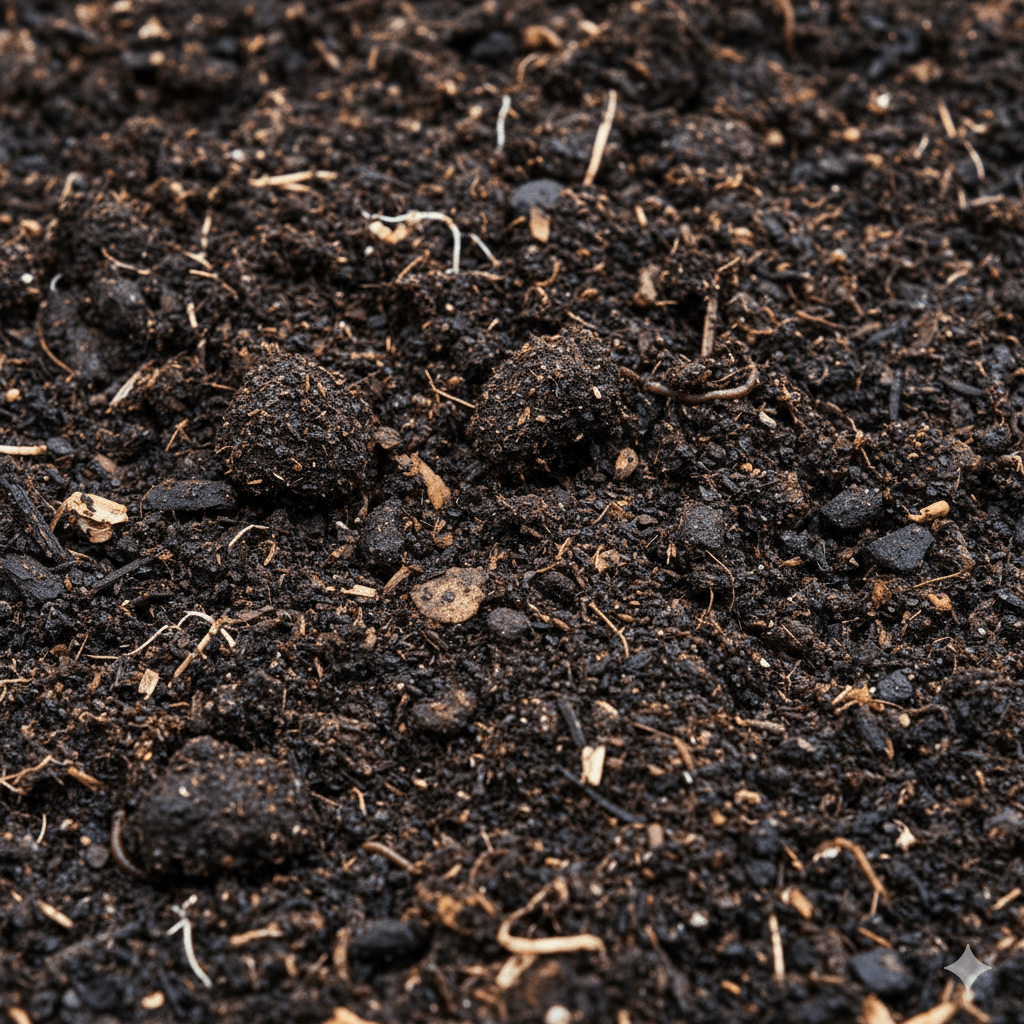
Let’s face it manure isn’t the most glamorous topic. But as someone studying agriculture, I’ve come to see it differently. Manure isn’t just waste it’s a powerful resource for soil and climate. If managed right, it can enrich fields, cut fertilizer costs, and even generate clean energy. If managed poorly, it becomes a climate hazard.
Because here’s the catch: when manure is left untreated, it doesn’t just stink it releases two of the most potent greenhouse gases known to science: methane (CH₄) and nitrous oxide (N₂O).
The Science Behind the Stink
- Anaerobic decomposition: In open pits or lagoons without oxygen, microbes break down manure and release methane a gas 28–34 times stronger than CO₂.
- Nitrogen overload: When manure is spread on wet fields or before rainfall, excess nitrogen converts to nitrous oxide a gas about 300 times more powerful than CO₂.
That’s not a typo. Three hundred times.
What Causes These Emissions?
- Anaerobic storage: Slurry tanks, pits, and lagoons without covers are methane factories.
- Poor field application: Applying manure without timing it to crop needs means wasted nutrients and higher emissions.
- Lack of treatment: Raw, untreated manure decomposes uncontrolled, leading to lost fertility and rising emissions.
In India, this is no small issue livestock manure management alone contributes about 1.1 teragrams of methane every year, a significant slice of our agricultural emissions.
Smarter Manure Management = Healthier Planet
The good news: solutions exist and they’re practical.
- Aerobic composting: Add oxygen, encourage good microbes, and turn manure into nutrient-rich compost.
- Covered storage: Covers trap gases and allow methane to be captured for energy.
- Smart application timing: Apply when soils are dry and crops can absorb nutrients. Incorporate manure into the soil instead of leaving it on the surface.
- Anaerobic digesters: Capture methane in controlled systems and convert it into biogas clean, farm-powered energy.
- Separation & composting: Split solids and liquids. Compost solids aerobically, apply liquids precisely.
The India Example: Waste Into Wealth
India already has a tradition of using cow dung as cooking fuel in rural homes. Scaling this up is a climate win. Under the National Biogas and Manure Management Programme (NBMMP), more than 5 million household and community biogas plants have been installed across states like Maharashtra, Andhra Pradesh, and Karnataka.
If expanded further, these systems could slash methane leaks while giving farmers clean energy and organic fertilizer a double benefit for rural households and the climate.
The Bonus: It’s Good for Business Too
- Healthier soils → less dependency on costly fertilizers
- Efficient nutrient use → better yields, lower input costs
- Biogas generation → cheaper energy and new revenue streams
- Cleaner farms → fewer pathogens entering water bodies, better rural hygiene
Final Thoughts: From Pollution to Potential
We can’t keep treating manure as just “waste.” Not when it’s heating the planet. Not when it could be powering homes and enriching soils.
Manure is not the problem. How we manage it is.
As agriculture students, future agronomists, and stewards of the land, we’ve got a responsibility and an opportunity to push for smarter, sustainable practices. Practices that nourish soils, cut emissions, and strengthen the future of farming.
Because in the end, it’s not just about controlling odors.
It’s about controlling emissions and protecting the planet.
